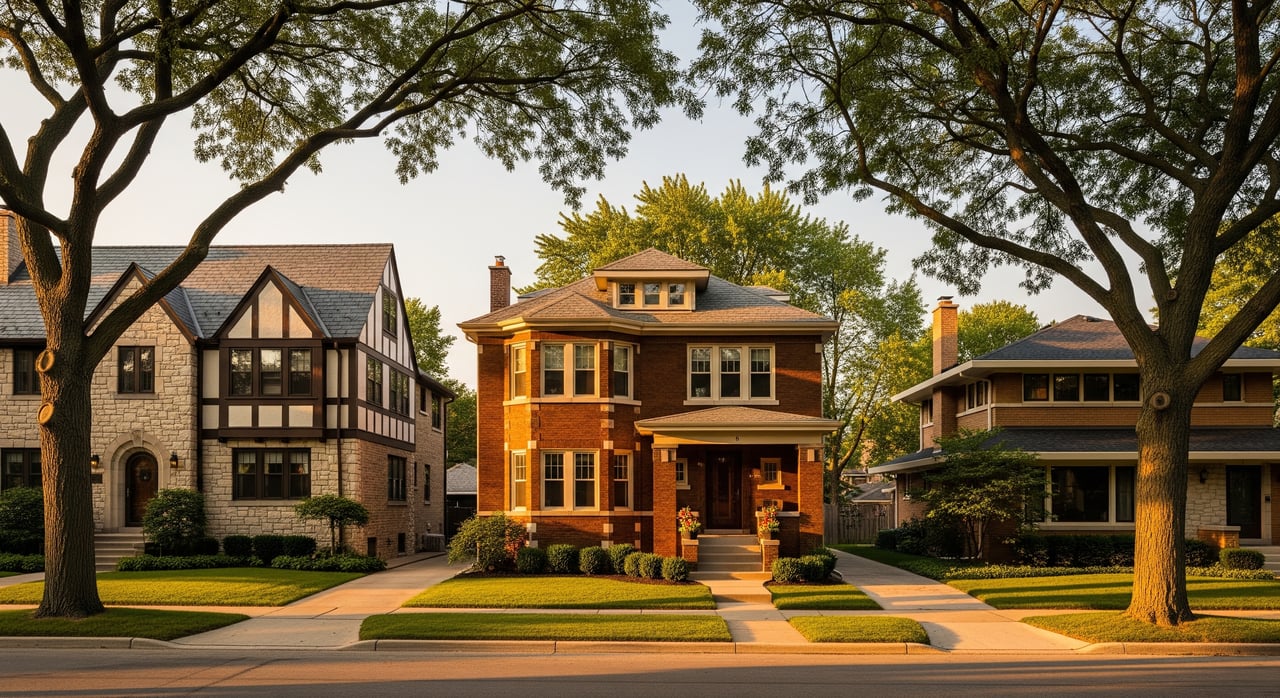
Shopping in Oak Lawn but not sure which pocket or home style fits you best? You are not alone. With mostly mid‑century homes, a few condo and townhome clusters, and select newer infill, the choices can feel similar at first glance. This guide breaks down Oak Lawn’s key housing pockets, common home styles, what drives value, and practical buyer tips so you can focus your search with confidence. Let’s dive in.
Oak Lawn at a glance
Oak Lawn sits on Chicago’s southwest side in Cook County. It is a mature, mostly built‑out suburb with direct access to major arterials and highways, plus regional bus service. Many residents use a mix of car and transit to reach downtown Chicago or Midway Airport.
Most housing was built from the postwar period through the 1970s. You will find established single‑family neighborhoods, garden‑style and townhome condominiums, and small apartment buildings. Local parks, the public library, retail and restaurant corridors, and school attendance boundaries all influence buyer preferences and price variation across the village.
Housing pockets explained
Oak Lawn is easier to understand by “pockets” rather than formal neighborhood names. Each area offers a different mix of housing types, lot sizes, and access to amenities.
Village center and 95th–Cicero corridor
- Typical homes: Older mixed housing near commercial areas, higher‑density condos and apartments, and some smaller single‑family lots.
- Appeal: Walkability to shops, restaurants, and transit, plus convenient commuter access.
- Best fit for: First‑time buyers and downsizers who want lower‑maintenance living and convenience.
Mid‑century single‑family subdivisions
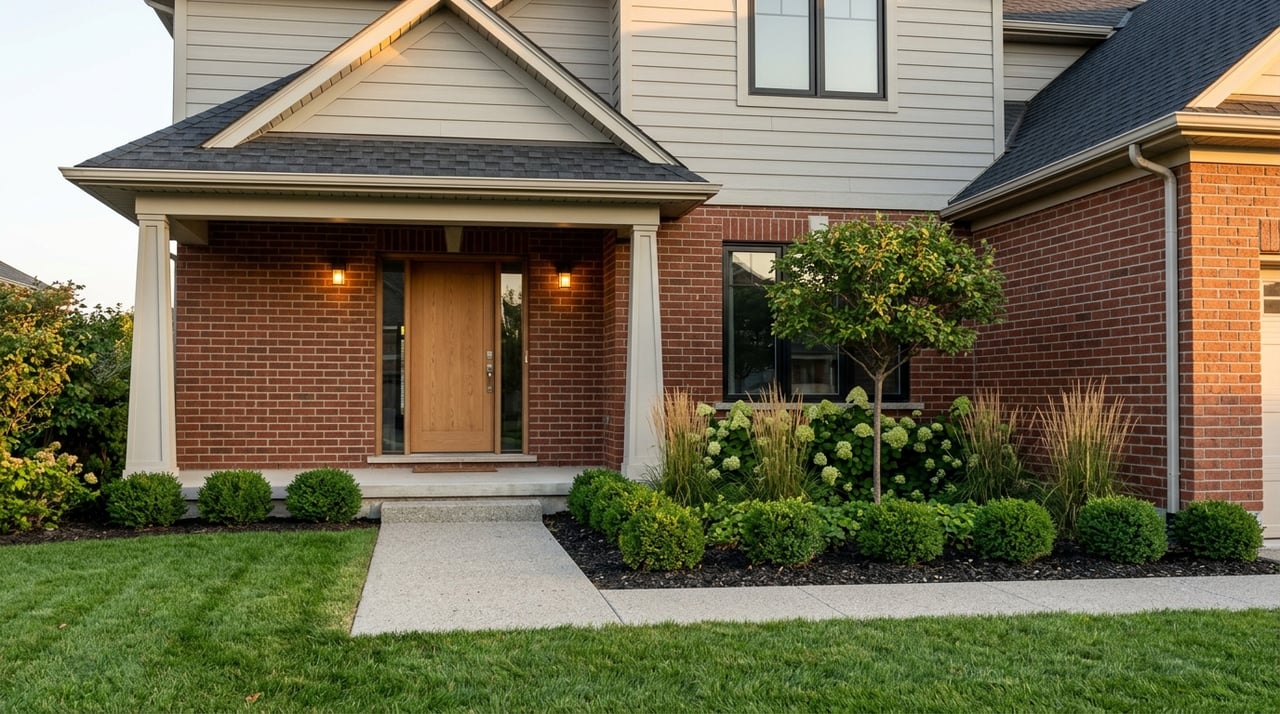
- Typical homes: Postwar ranches, raised ranches, split‑levels, Cape Cods, and modest two‑stories built for growing families in the 1950s to 1970s.
- Lots: Standard suburban lot widths common to Chicago‑area suburbs, with driveways and 1–2 car garages.
- Appeal: Yard space, garages, and blocks near parks and schools.
- Best fit for: First‑time buyers seeking a detached home and move‑up buyers planning renovations or additions.
Southern and peripheral pockets
- Typical homes: Similar mid‑century homes with clusters of later infill and renovated properties, sometimes on larger lots.
- Appeal: Quieter residential feel and occasional deeper or wider lots, with a tradeoff in daily convenience.
- Best fit for: Move‑up buyers prioritizing more land or a larger finished home for the price.
Condo and townhome corridors
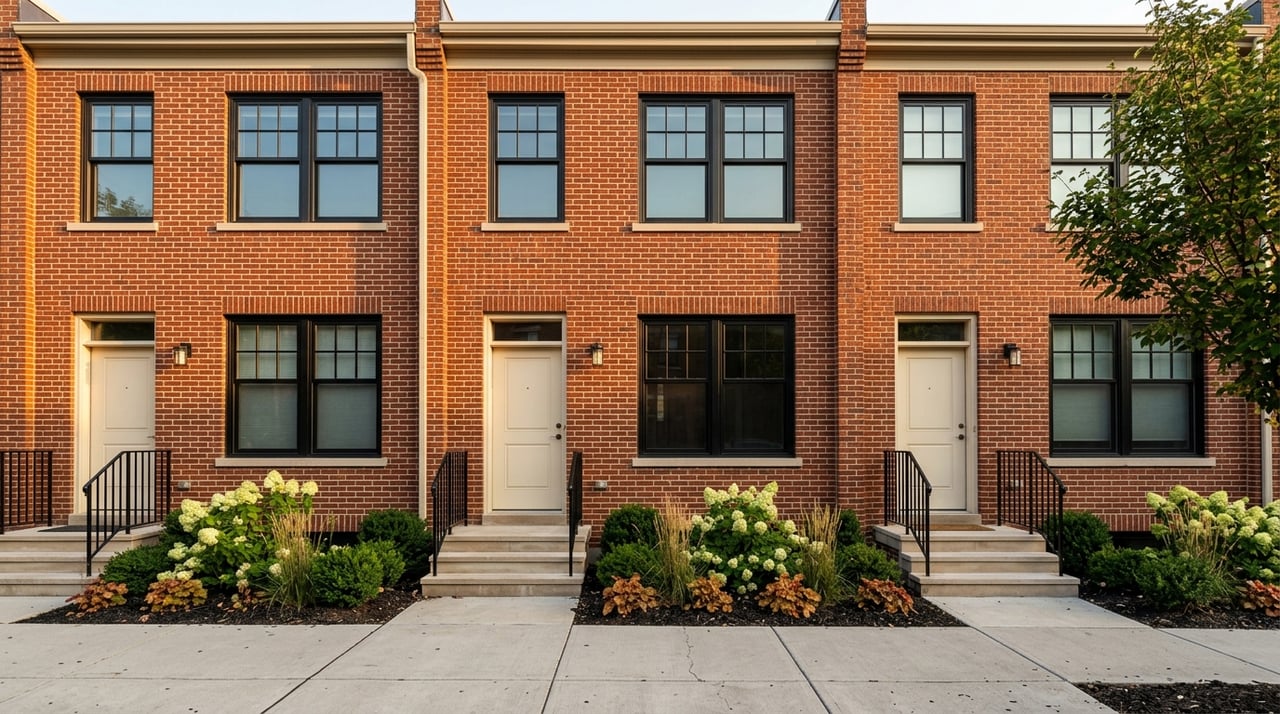
- Typical homes: Garden‑style condo buildings, two to three‑story townhomes, and small apartment complexes near major roads.
- Appeal: Lower maintenance and predictable monthly costs through HOA dues. Some units are newer or recently renovated.
- Best fit for: First‑time buyers, investors, and anyone who prefers fewer exterior maintenance tasks.
Infill and teardown pockets
- Typical homes: Newer builds or substantially rebuilt homes on select blocks where lots are desirable.
- Appeal: Modern layouts, updated systems, and custom finishes, though supply is limited.
- Best fit for: Buyers who want turnkey condition with contemporary floor plans.
Common Oak Lawn home styles
Understanding layout and construction will help you compare value across listings.
Ranch and raised ranch
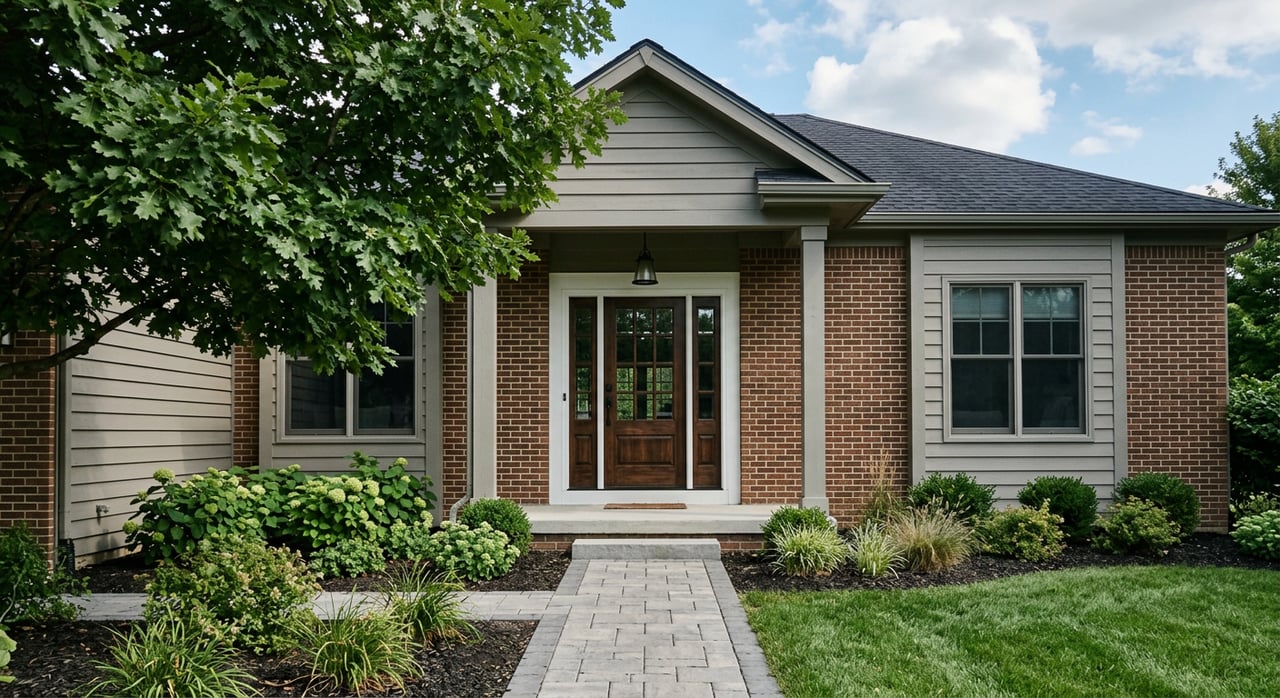
- What to expect: Single‑story or split‑entry footprints with efficient layouts and common brick exteriors.
- Why buyers like them: Fewer stairs, easy indoor‑outdoor flow, and often good candidates for finishing basements.
Split‑level
- What to expect: Living spaces separated by short flights of stairs, with family rooms on lower levels and bedrooms above.
- Why buyers like them: Clear separation of spaces and flexible family‑friendly layouts.
Cape Cod and Colonial‑influenced
- What to expect: Smaller quantities compared with ranches and splits, with classic rooflines and traditional room arrangements.
- Why buyers like them: Character, curb appeal, and opportunities to expand dormers or finish basements.
Condos and townhomes
- What to expect: Garden flats and attached row or townhouse forms along major corridors.
- Why buyers like them: Lower exterior maintenance and HOA‑included services that simplify budgeting.
Construction features you will see often
- Brick veneer exteriors are common and add durability and curb appeal.
- Full basements appear in most single‑family homes. Some are finished, others remain utility or storage spaces.
- Garages are typically attached 1–2 car; older homes may have detached garages.
- Mechanical systems vary by age. Many homes have updated HVAC, water heaters, and electrical panels, while original systems can still appear in unrenovated properties.
What drives price differences
Several factors shape value across Oak Lawn’s pockets and property types.
- Lot size and orientation: Wider or deeper lots tend to command premiums.
- Level of updates: Renovated kitchens and baths, newer windows and doors, and finished basements boost appeal.
- Garage and parking: A two‑car garage and ample off‑street parking add value.
- Proximity to corridors and transit: Walkability to retail or bus routes, plus commuter access, can influence demand.
- School attendance boundaries: These shape buyer preferences for many households.
- Market conditions: Inventory levels, interest rates, and prices in neighboring suburbs affect competitiveness.
Buyer checklists and inspections
Oak Lawn’s mid‑century housing is solid and established. A careful inspection process helps you plan for maintenance and future upgrades.
Single‑family checklist
- Ask about roof age and condition.
- Review basement water history, drain tiles, and any waterproofing. Look for sump pumps and disclosures.
- Confirm electrical capacity and panel type meets modern needs.
- Check window and door replacements for energy efficiency.
- Evaluate plumbing, including any older cast‑iron drain lines.
- For pre‑1978 homes, follow standard lead paint and asbestos precautions and disclosures.
Condo and townhome checklist
- Review HOA fees, what they cover, and reserves for future projects.
- Confirm condo eligibility for your loan type and whether the association is approved by your lender.
- Ask about recent building updates such as roofs, masonry, boilers, or hallway renovations.
Basement and flood considerations
- Consult official flood maps and seller disclosures to understand property‑specific risk.
- Lenders and insurers may require flood insurance if a home is in a mapped floodplain.
Permits and remodeling
- The Village of Oak Lawn requires permits for many exterior additions, garages, and certain interior projects.
- Verify that finished basements and past renovations have proper permits, which reduces risk.
Financing notes
- Conventional, FHA, and VA loans are commonly used.
- For older homes, lenders may require repairs like roof or safety fixes before closing.
- Condo loans depend on association eligibility, so confirm early with your lender.
Price tiers without the numbers
Specific prices change often, so focus on product tiers to set expectations, then confirm with live MLS data.
- Entry‑level: Lower‑cost condos, small townhomes, and very modest single‑family homes that may need updating. Good fit for budget‑minded first‑time buyers and handy buyers.
- Core single‑family value tier: Typical 3–4 bedroom ranches or split‑levels on standard lots. Mix of original and partially updated homes that offer space and yards.
- Renovated or move‑up tier: Homes with updated kitchens and baths, finished basements, and sometimes additions. Appeals to buyers who want more finished area and modern systems.
- Premium or infill tier: Recently built or substantially rebuilt homes, often on larger lots with custom finishes. Supply is limited and lots are key.
Commute and daily life
Oak Lawn’s location provides straightforward car access to regional highways. Many households combine driving with regional transit for work trips. Commute times vary by corridor and time of day, so map your routes to confirm realistic windows.
If you value walkability and transit, the village center and major corridors offer the best access to shops, services, and bus routes. If you prefer quieter streets or larger lots, peripheral pockets may better match your lifestyle.
How Oak Lawn compares nearby
Compared with some north or inner‑ring suburbs, Oak Lawn typically offers a favorable cost‑to‑space tradeoff, especially for detached homes and yards. You will see more mid‑century stock here, while some neighboring suburbs feature more new construction or different lot patterns. Decide whether you prefer an established neighborhood feel or the layouts common in newer builds.
Plan your next step with a local guide
Buying in Oak Lawn is easier when you have a coach by your side. At Satisfaction Globe, you get boutique, agent‑led representation with local insight into pockets, product types, and what to watch for during inspections. We also connect you with lender and credit‑repair resources that fit your budget and timeline.
If you are selling as well as buying, our vertically integrated approach helps you prep and present your home at a high standard, from clean‑up to professional photography and media, so you can move quickly and confidently.
Ready to talk strategy, tours, and next steps? Connect with satisfactionglobe.com and get your free home valuation.
FAQs
What neighborhoods or “pockets” should Oak Lawn buyers know about?
- Oak Lawn organizes well by pockets: the village center and 95th–Cicero corridor for walkable condo options, mid‑century single‑family subdivisions across the village, quieter southern and peripheral blocks with occasional larger lots, plus condo and townhome corridors and select infill or teardown sites.
What home styles are most common in Oak Lawn?
- Expect ranches, raised ranches, split‑levels, and some Cape Cod or Colonial‑influenced two‑stories. Condos and townhomes appear along major roads, often in garden‑style or attached formats.
How old are most Oak Lawn homes?
- Most were built in the mid‑20th century, from the postwar period through the 1970s. You will find a mix of original‑condition homes, updated properties, and occasional newer infill builds.
Are lots large in Oak Lawn compared with other suburbs?
- Many blocks feature standard suburban lot sizes common to the Chicago area. Some pockets offer deeper or wider lots that attract buyers seeking more outdoor space.
Is there new construction in Oak Lawn?
- New construction is limited but present as infill on select blocks. You will also see substantial rebuilds where lots are especially desirable.
What inspection issues are common with mid‑century homes in Oak Lawn?
- Focus on roof age, basement water and drain tiles, electrical panel capacity, window and door updates, and older plumbing components. For pre‑1978 homes, follow standard lead paint and asbestos precautions and disclosures.
Do I need flood insurance for a home in Oak Lawn?
- It depends on the specific property. Check official flood maps and seller disclosures. If a home is in a mapped floodplain, lenders and insurers will require flood insurance.
How do HOA fees affect condo affordability in Oak Lawn?
- HOA fees impact monthly carrying costs and typically cover exterior maintenance and building insurance. Review what is included, association reserves, and any planned projects.
Which loan types work well for Oak Lawn homes?
- Conventional, FHA, and VA loans are commonly used. For condos, confirm association eligibility with your lender early in the process.